

Gareth Walls is a Partner and Head of the A&L Goodbody's Employment group in Belfast. Gareth represents a number of local, national and international brands in business support, strategic workforce planning and high-profile tribunal matters. He also has significant experience advising stakeholders on complex redundancy, re-structuring and TUPE issues. Gareth is an accomplished commercial litigator with particular emphasis on procurement challenges and injunctive relief in the Employment context, as well as being a sought-after speaker on Employment issues in Northern Ireland.
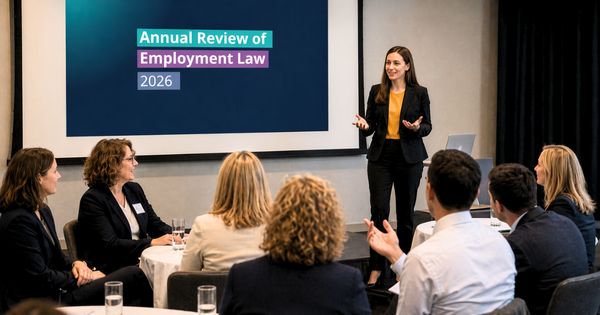
Following a hugely successful presentation at this year’s Annual Review of Employment Law, Gareth Walls, Partner at A&L Goodbody, answers questions submitted on his topic, ‘A Solicitor’s Guide to Drafting Disciplinary Allegations’.
Q: Can an employer require an agreement to be signed by employee agreeing they will not make a Tribunal claim before the employer will release redundancy payment in compulsory redundancy situation?
This depends on the nature of the payment being made. In a compulsory redundancy where only statutory redundancy is being paid, an employer cannot withhold a statutory payment unless and until an employee signs a document saying they will not issue any form of Tribunal claim.
Where an employer is offering any enhancement from the statutory payment,
Continue reading
We help hundreds of people like you understand how the latest changes in employment law impact your business.
Please log in to view the full article.
What you'll get:
- Help understand the ramifications of each important case from NI, GB and Europe
- Ensure your organisation's policies and procedures are fully compliant with NI law
- 24/7 access to all the content in the Legal Island Vault for research case law and HR issues
- Receive free preliminary advice on workplace issues from the employment team
Already a subscriber? Log in now or start a free trial